Santa Clara Vacations
Santa Clara: Beaches, Luxury and Peace of Mind
Cayo Santa Maria
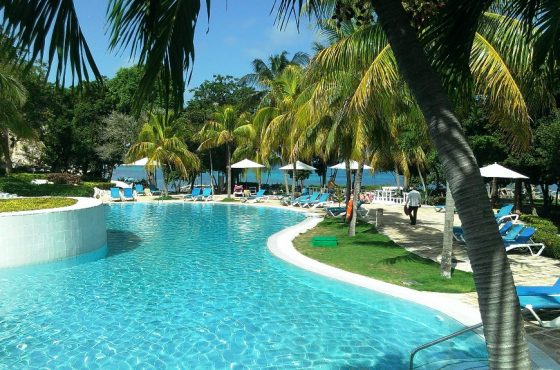
Cayo Santa Maria is an island located north of Cuba in the Jardines del Rey archipelago well known for its luxury all-inclusive resorts. Its many attractions make Cuba a unique destination. Your travel to Cuba will offer you the chance to be part of a fantastic experience. The Hotels offer you exclusivity, comfort and elegance in the most attractive Cuban destinations. Enjoy the hotels, services especially conceived for you and a wide variety of programs and special offers for living the magic of the senses in friendly cities, enchanting beaches and exotic tropical keys.
Santa Clara
Santa Clara is the capital city of the Cuban province of Villa Clara. It is located in the most central region of the province and almost in the most central region of the country.
Santa Clara has an international airport named Abel Santa Maria. This airport is used mostly by tourists who are going to all-inclusive resorts in Cayo Santa Maria. Air Canada, Air Transat, Canjet, Wesjet and Cubana serve many Canadian cities from this airport
Cafes and cantinas are located in one section of ‘Main Street’ (listen for the live music) where the usual
Cristal Cerveza, rum and
cafe abound. In fact, a real treat is the ridiculously cheap and fantastically fresh and tasty espresso located on the strip.
In Santa Clara’s center is a park (Parque Vidal) and it is laid on an entire square block. In the park there is a statue of Marta Abreu, a person much loved by the people of Santa Clara. Bordering the park is the Santa Clara Libre (formerly the Santa Clara Hilton), “Gran Hotel”, Teatro de La Caridad (a National Monument of Cuba), the Plaza del Mercado Central, the former City Hall and the Colonia Española de Santa Clara center of dance, offers the most attractive and unique traditional customs of hinterland Cuba.
Parque Vidal
Parque Vidal is probably one of the most typical places in Cuba. During the afternoons, people (specially singles) visit the park to meet others. Although not widely practiced in recent times, the custom was to walk the park around and around. The women walk the inner part of the park, while the men walk the outer side. Another lost custom was for the locals to set up a platform and offer improvisations with their guitars on late Sunday afternoons. For that day they dressed with their Guayaberas and highly polished shoes.
Che Guevara museum
Santa Clara contains the mausoleum for the fallen of the Revolution. Included in this mausoleum is Che Guevara himself. In order to maintain the sanctity of the place, photography inside the mausoleum is strictly prohibited. Also, there are no souvenir-sellers to be found nearby. There is also a Che Guevara museum, as well as a huge square (Plaza de la Revolucion) overlooked by a large statue of Che. Americans are, unofficially at least,
not allowed inside the museum and mausoleum, although they don’t ask for ID; just where you’re from, so mention that you’re Canadian, Irish, etc. if you are American. Horse carriages operate in the centre of town and can take you to Che’s mausoleum for around 1 CUC.
Battle of Santa Clara
5/10 minutes east of the center is the “Monumento a la Toma del Tren Blindado” – the site of one of the most important battles in Cuban history, where Che Guevara and his men ripped up the railway line, derailing an armoured train, and defeated the men inside. There were two guerrilla columns that attacked the city, one led by Ernesto Che Guevara and the other led by Camilo Cienfuegos. Guevara’s column first captured the garrison at Fomento. Then, using a bulldozer, Guevara’s soldiers destroyed railroad tracks and derailed a train full of troops and supplies sent by Batista. On December 31, 1958, the combined forces of Guevara and Cienfuegos along with other revolutionaries attacked Santa Clara. The battle was chaotic, the defenders were demoralized, some fought, others surrendered without a shot. By the afternoon, the city was captured. This victory for Castro’s troops is seen as the decisive moment in the Cuban Revolution as Batista fled Cuba less than 12 hours later. The site shows the actual bulldozer used, and a number of the actual train carriages in situ. Inside the carriages are exhibits, with accompanying text, in Spanish only.
History
Santa Clara was founded by 175 people on July 15, 1689. One hundred and thirty-eight of them were represented by two large families already living in the area and, therefore, owners of the land next to the new city. The other 37 came from 7 other families, a priest and a governor, all of them originating in the coastal city of “San Juan de los Remedios”. The population of Remedios was torn between the option of leaving their city, constantly besieged by pirate attacks, or staying in place. While most of them finally decided to stay, these 37 persons traveled south and, on June 1, 1689 they arrive to the hill where they rejoined the other two existing families. A mass was given under a Tamarind tree and the city was born. Since then, the place under the tree is known as “Loma Del Carmen” (Carmen’s Hill). A second generation church exists in a beautiful park along the place with a monument commemorating the event surrounded by a fourth generation Tamarind tree.
Tamarind tree
Tamarind (
Tamarindus indica) is a tree in the family Fabaceae. The genus
Tamarindus is a monotypic taxon, having only a single species. The tamarind tree produces edible, pod-like fruit which are used extensively in cuisines around the world. The ripened fruit is considered the more palatable, as it becomes sweeter and less sour (acidic) as it matures. It is used in desserts as a jam, blended into juices or sweetened drinks, sorbets and ice creams. In Cuba, it is used in sauces or sold in various snack forms: dried and salted; in sweet, soft clusters, or candied. Agua de tamarindo, a fresh beverage made from Tamarind is popular throughout the country.
All-Inclusive Resorts of Cayo Santa Maria
Cayo Santa Maria is an island located north of Cuba in the Jardines del Rey archipelago well known for its luxury all-inclusive resorts. The island is linked to the mainland near Caibarién by a 48 km causeway. The Hotels offer you exclusivity, comfort and elegance in the most attractive Cuban destinations.
Enjoy the hotels, services especially conceived for you and a wide variety of programs and special offers for living the magic of the senses in friendly cities, enchanting beaches and exotic tropical keys. The principal buildings on the island are a few large hotels, on the northern shore where there are extensive beaches:
- Melia Buenavista
- Sol Cayo Santa Maria
- Melia Cayo Santa Maria
- Melia Las Dunas
- Hotel Gaviota Cayo Santa Maria
- Barcelo Cayo Santa Maria Beach Colonial
- Memories Paraiso Beach Resort
- Memories Azul Beach Resort
Melia Buenavista
This hotel opened its door in December 2010. In a short time, it became
the best hotels in Cayo Santa Maria and the second-best in whole Cuba (according to the TripAdvisor). The hotel is very popular. So do not wait for the last minute to book your travel package. The Melia Buenavista is isolated from the other hotels in Cayo Santa Maria. The closest hotel is the Sol Cayo Santa Maria about two kilometers away. The Melia Cayo Santa Maria is no longer for adult only as the Melia Buenavista took its place in Cayo Santa Maria. With an area of 25.000 m2, it is the smallest hotel on the island, about 10% of the area of the Melia Las Dunas. It is a small and cozy hotel for mostly couple looking for a quiet and relax environment. No disco and boum boum music on the beach!
Book your dream Caribbean vacation with Altair Travel!
For reservation and information please contact Altair Travel tat 16-633-9404
December 24, 2013/ altair / Caribbean Vacations
Santa Clara: Beaches, Luxury and Peace of Mind
Cayo Santa Maria
Cayo Santa Maria is an island located north of Cuba in the Jardines del Rey archipelago well known for its luxury all-inclusive resorts. Its many attractions make Cuba a unique destination. Your travel to Cuba will offer you the chance to be part of a fantastic experience. The Hotels offer you exclusivity, comfort and elegance in the most attractive Cuban destinations. Enjoy the hotels, services especially conceived for you and a wide variety of programs and special offers for living the magic of the senses in friendly cities, enchanting beaches and exotic tropical keys.
Santa Clara
Santa Clara is the capital city of the Cuban province of Villa Clara. It is located in the most central region of the province and almost in the most central region of the country.
Santa Clara has an international airport named Abel Santa Maria. This airport is used mostly by tourists who are going to all-inclusive resorts in Cayo Santa Maria. Air Canada, Air Transat, Canjet, Wesjet and Cubana serve many Canadian cities from this airport
Cafes and cantinas are located in one section of ‘Main Street’ (listen for the live music) where the usual Cristal Cerveza, rum and cafe abound. In fact, a real treat is the ridiculously cheap and fantastically fresh and tasty espresso located on the strip.
In Santa Clara’s center is a park (Parque Vidal) and it is laid on an entire square block. In the park there is a statue of Marta Abreu, a person much loved by the people of Santa Clara. Bordering the park is the Santa Clara Libre (formerly the Santa Clara Hilton), “Gran Hotel”, Teatro de La Caridad (a National Monument of Cuba), the Plaza del Mercado Central, the former City Hall and the Colonia Española de Santa Clara center of dance, offers the most attractive and unique traditional customs of hinterland Cuba.
Parque Vidal
Parque Vidal is probably one of the most typical places in Cuba. During the afternoons, people (specially singles) visit the park to meet others. Although not widely practiced in recent times, the custom was to walk the park around and around. The women walk the inner part of the park, while the men walk the outer side. Another lost custom was for the locals to set up a platform and offer improvisations with their guitars on late Sunday afternoons. For that day they dressed with their Guayaberas and highly polished shoes.
Che Guevara museum
Santa Clara contains the mausoleum for the fallen of the Revolution. Included in this mausoleum is Che Guevara himself. In order to maintain the sanctity of the place, photography inside the mausoleum is strictly prohibited. Also, there are no souvenir-sellers to be found nearby. There is also a Che Guevara museum, as well as a huge square (Plaza de la Revolucion) overlooked by a large statue of Che. Americans are, unofficially at least, not allowed inside the museum and mausoleum, although they don’t ask for ID; just where you’re from, so mention that you’re Canadian, Irish, etc. if you are American. Horse carriages operate in the centre of town and can take you to Che’s mausoleum for around 1 CUC.
Battle of Santa Clara
5/10 minutes east of the center is the “Monumento a la Toma del Tren Blindado” – the site of one of the most important battles in Cuban history, where Che Guevara and his men ripped up the railway line, derailing an armoured train, and defeated the men inside. There were two guerrilla columns that attacked the city, one led by Ernesto Che Guevara and the other led by Camilo Cienfuegos. Guevara’s column first captured the garrison at Fomento. Then, using a bulldozer, Guevara’s soldiers destroyed railroad tracks and derailed a train full of troops and supplies sent by Batista. On December 31, 1958, the combined forces of Guevara and Cienfuegos along with other revolutionaries attacked Santa Clara. The battle was chaotic, the defenders were demoralized, some fought, others surrendered without a shot. By the afternoon, the city was captured. This victory for Castro’s troops is seen as the decisive moment in the Cuban Revolution as Batista fled Cuba less than 12 hours later. The site shows the actual bulldozer used, and a number of the actual train carriages in situ. Inside the carriages are exhibits, with accompanying text, in Spanish only.
History
Santa Clara was founded by 175 people on July 15, 1689. One hundred and thirty-eight of them were represented by two large families already living in the area and, therefore, owners of the land next to the new city. The other 37 came from 7 other families, a priest and a governor, all of them originating in the coastal city of “San Juan de los Remedios”. The population of Remedios was torn between the option of leaving their city, constantly besieged by pirate attacks, or staying in place. While most of them finally decided to stay, these 37 persons traveled south and, on June 1, 1689 they arrive to the hill where they rejoined the other two existing families. A mass was given under a Tamarind tree and the city was born. Since then, the place under the tree is known as “Loma Del Carmen” (Carmen’s Hill). A second generation church exists in a beautiful park along the place with a monument commemorating the event surrounded by a fourth generation Tamarind tree.
Tamarind tree
Tamarind (Tamarindus indica) is a tree in the family Fabaceae. The genus Tamarindus is a monotypic taxon, having only a single species. The tamarind tree produces edible, pod-like fruit which are used extensively in cuisines around the world. The ripened fruit is considered the more palatable, as it becomes sweeter and less sour (acidic) as it matures. It is used in desserts as a jam, blended into juices or sweetened drinks, sorbets and ice creams. In Cuba, it is used in sauces or sold in various snack forms: dried and salted; in sweet, soft clusters, or candied. Agua de tamarindo, a fresh beverage made from Tamarind is popular throughout the country.
All-Inclusive Resorts of Cayo Santa Maria
Cayo Santa Maria is an island located north of Cuba in the Jardines del Rey archipelago well known for its luxury all-inclusive resorts. The island is linked to the mainland near Caibarién by a 48 km causeway. The Hotels offer you exclusivity, comfort and elegance in the most attractive Cuban destinations.
Enjoy the hotels, services especially conceived for you and a wide variety of programs and special offers for living the magic of the senses in friendly cities, enchanting beaches and exotic tropical keys. The principal buildings on the island are a few large hotels, on the northern shore where there are extensive beaches:
- Melia Buenavista
- Sol Cayo Santa Maria
- Melia Cayo Santa Maria
- Melia Las Dunas
- Hotel Gaviota Cayo Santa Maria
- Barcelo Cayo Santa Maria Beach Colonial
- Memories Paraiso Beach Resort
- Memories Azul Beach Resort
Melia Buenavista
This hotel opened its door in December 2010. In a short time, it became the best hotels in Cayo Santa Maria and the second-best in whole Cuba (according to the TripAdvisor). The hotel is very popular. So do not wait for the last minute to book your travel package. The Melia Buenavista is isolated from the other hotels in Cayo Santa Maria. The closest hotel is the Sol Cayo Santa Maria about two kilometers away. The Melia Cayo Santa Maria is no longer for adult only as the Melia Buenavista took its place in Cayo Santa Maria. With an area of 25.000 m2, it is the smallest hotel on the island, about 10% of the area of the Melia Las Dunas. It is a small and cozy hotel for mostly couple looking for a quiet and relax environment. No disco and boum boum music on the beach!
Book your dream Caribbean vacation with Altair Travel!
For reservation and information please contact Altair Travel tat 16-633-9404
Tags All Inclusive Caribbean VacationsCuban vacationSanta Clara Vacations
top